Wondering whether a condo, townhome, or single-family home is the right fit in St. Lucie County? You are not alone. Many buyers start with price, but the better choice usually comes down to four things: budget, maintenance, association rules, and long-term flexibility. If you are weighing your options in this part of Florida, this guide will help you compare home types with more confidence. Let’s dive in.
Why home type matters
In St. Lucie County, your home type can shape your monthly costs, day-to-day responsibilities, and future options. A lower purchase price may come with higher association fees or more rules, while a higher price point may give you more control and fewer shared decisions.
That tradeoff matters even more in today’s market. County data shows a median sale price around $385,000, about 87 days on market, and a 96.5% sale-to-list ratio in February 2026, while Realtor.com described the county as a buyer’s market with a median listing price near $405,000. This gives you room to compare options carefully instead of rushing.
Compare St. Lucie home types
A helpful way to think about your choices is simple: condos usually mean less direct upkeep, townhomes often sit in the middle, and single-family homes usually offer the most autonomy. In St. Lucie County, that lifestyle tradeoff often lines up with a price tradeoff too.
According to the Florida Realtors county MLS report, the February 2026 median sale price for single-family homes was $390,000, while the combined townhouse and condo segment was $250,500. That gap helps explain why many first-time buyers, downsizers, and relocators start by considering attached housing.
Condos: lower upkeep, more oversight
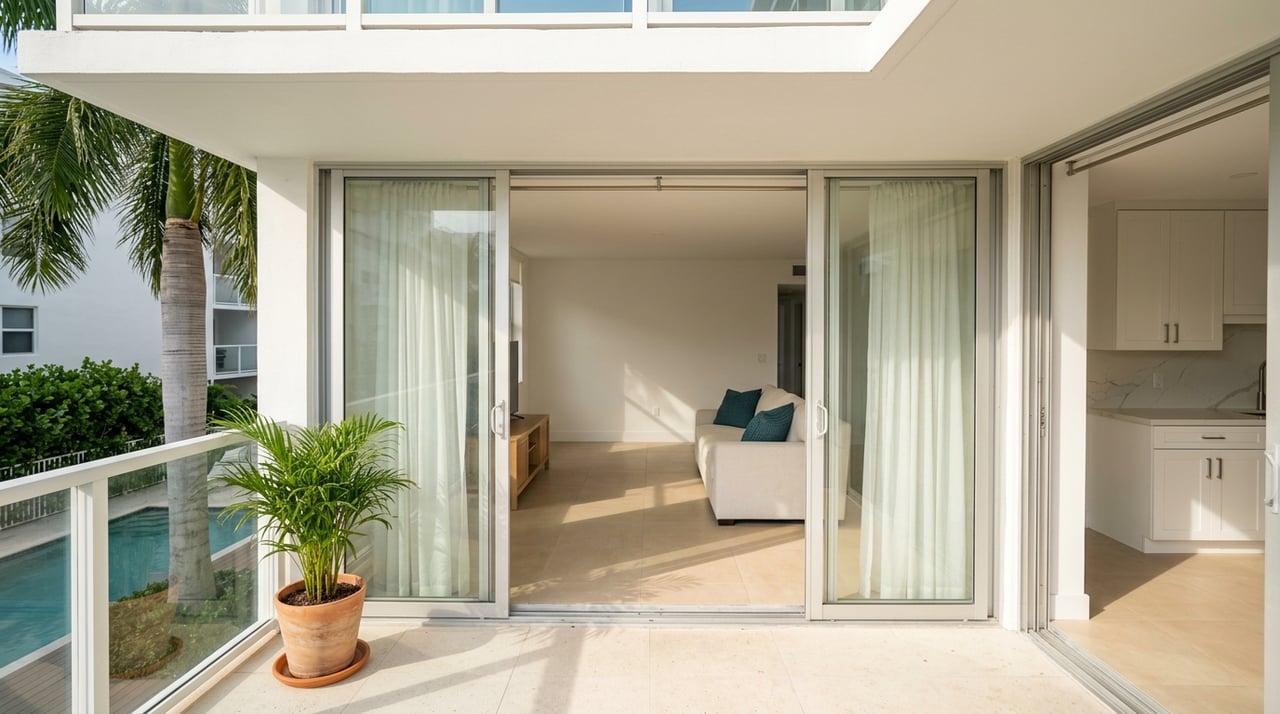
If you want a more lock-and-leave setup, a condo may be worth a close look. In Florida, the condo association is generally responsible for maintaining the common elements, except for limited common elements assigned to the unit owner by the declaration, as outlined in Florida Statute 718.113.
For you, that often means less exterior maintenance to manage yourself. You may not be handling as much roof, grounds, or shared-building upkeep directly, which can be appealing if you want convenience or spend part of the year elsewhere.
The tradeoff is that condo living usually comes with more association oversight. Your monthly fees, building rules, and reserve funding can have a big effect on affordability beyond the purchase price.
That is especially important in Florida today. The state’s condo guidance explains that certain residential condo and co-op buildings that are three or more habitable stories must complete milestone inspections and Structural Integrity Reserve Studies on a required schedule, depending on age and timing. For some buyers, that can mean higher fees or future special-assessment risk, though it does not apply the same way to every building.
Who condos may suit best
A condo may be a strong fit if you want:
- A lower-maintenance lifestyle
- A lower entry price than many detached homes
- A home that may work well for seasonal use
- Shared amenities or coastal access, depending on the community
A condo may be less ideal if you want broad renovation freedom, fewer community rules, or more predictable control over future building costs.
Townhomes: the middle-ground option
Townhomes often appeal to buyers who want a balance between price and independence. In many cases, they offer more privacy and a more house-like feel than a condo, while still coming in below the cost of a single-family home.
Still, the maintenance split in a townhome community is not one-size-fits-all. Under Florida HOA record requirements, associations must keep official records that include governing documents, rules, insurance, contracts, financial records, and budgets that may include reserves.
That means one St. Lucie County townhome community may cover exterior maintenance and roofs, while another may leave more responsibility with you as the owner. Before you decide, it is smart to review exactly what the HOA handles, what you handle, and how the budget is structured.
Who townhomes may suit best
A townhome may be a good fit if you want:
- A middle price point
- Less upkeep than many detached homes
- More separation than a typical condo building
- A community where some exterior maintenance may be shared
Townhomes can work well when you want a practical compromise, but they require careful review of each community’s documents.
Single-family homes: more control, more responsibility
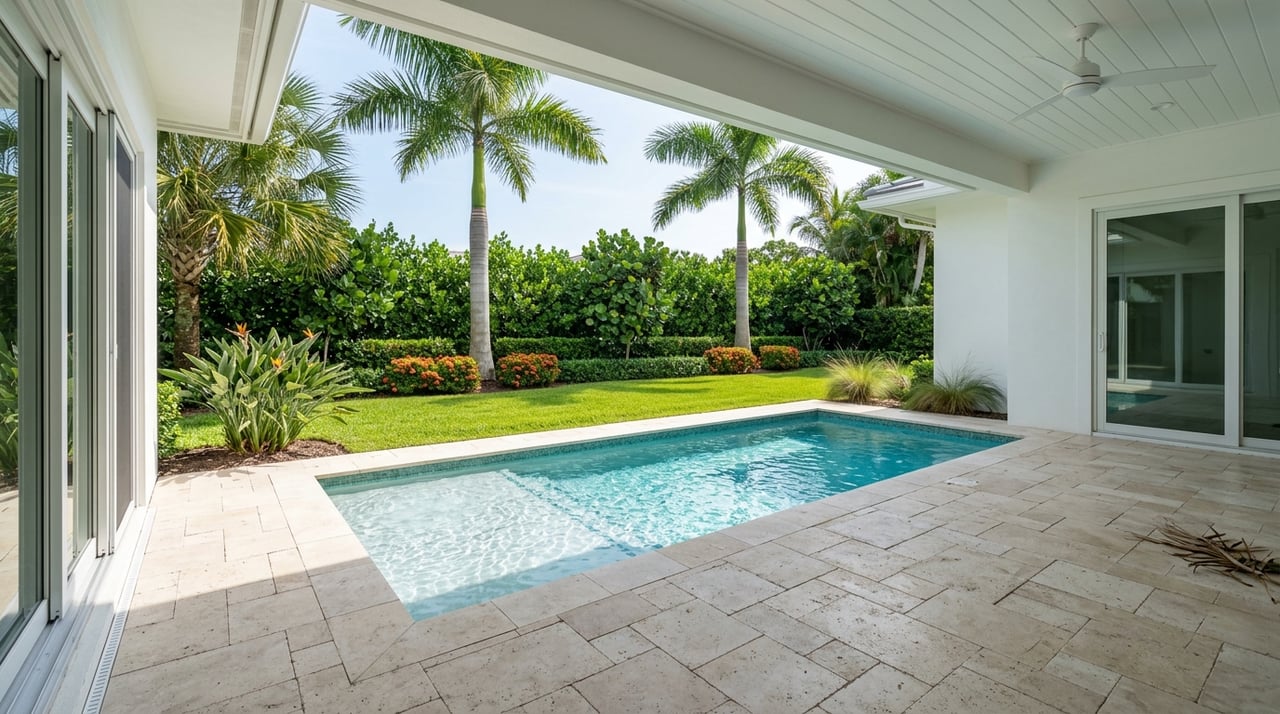
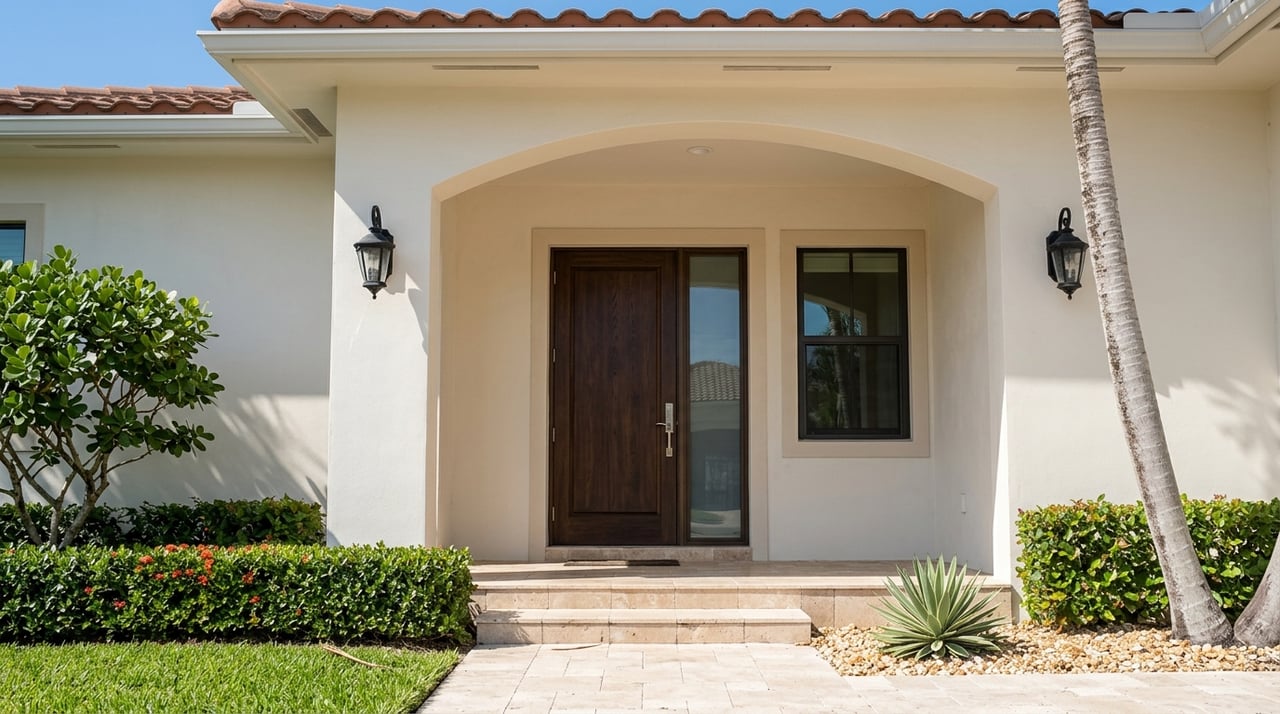
If control and flexibility are high on your list, a single-family home may be the best match. Detached homes usually give you more say over paint, landscaping, parking, outdoor space, and renovations than attached housing.
That said, more control usually means more responsibility. You are more likely to manage the home and yard directly, and the purchase price is often higher. In St. Lucie County, the typical detached closed sale is notably above the attached-home median, based on the county MLS pricing data.
It is also worth remembering that some single-family homes are still part of HOAs. Florida law requires an HOA disclosure summary before contract and requires associations to maintain their current rules and covenants in official records, as described in Florida Statute 720.401.
Who single-family homes may suit best
A detached home may be a strong fit if you want:
- More privacy and outdoor space
- Greater control over the property
- Fewer shared walls and shared decisions
- More lifestyle flexibility over time
This option often works well for buyers who plan to stay longer or simply want more independence, even if that means taking on more upkeep.
Think beyond the sticker price
When you compare home types, the purchase price is only part of the story. In St. Lucie County, attached housing often offers a lower entry point, but your true monthly cost may depend on fees, reserves, insurance, and maintenance obligations.
A simple county rule of thumb is that condos and townhomes often start in the low-to-mid $300,000s on the active market, while closed-sale medians for attached housing can land closer to the mid-$200,000s. Detached homes are typically closer to the upper $300,000s or low $400,000s, based on the county market summary.
That is why the smartest comparison is not just condo versus house. It is total monthly cost versus lifestyle fit.
Check rental rules before you buy
If you think you may rent the property later, do not assume the rules are the same from one community to the next. In Florida, condo sale disclosures must include covenants and restrictions affecting use, and HOAs must provide disclosure summaries and maintain current rules.
That means rental permissions, minimum lease terms, tenant approval steps, and occupancy limits should be verified before you make an offer. Florida Statute 718.503 is a good reminder that these restrictions are document-driven, not property-type guarantees.
In general, attached housing can sometimes be less flexible for future renting than a detached home, but that is not a universal rule. The actual answer depends on the specific association documents, fee structure, and approval process.
Where each option may fit best
Different parts of St. Lucie County tend to align with different home-type priorities. While every search is personal, current market patterns can help you narrow your focus.
Port St. Lucie for detached homes
If you want a more suburban, single-family-oriented search, Port St. Lucie is often the clearest starting point. Current listing patterns suggest a strong detached-home orientation with attached options still available in select pockets.
For many relocators, this area can make sense if your priority is a newer suburban feel and less association intensity. That is a market-pattern inference based on the current listing mix summarized in the research.
Coastal areas for lock-and-leave living
If you are drawn to beach access, waterfront lifestyle, or lower-maintenance ownership, Hutchinson Island South and nearby coastal areas may deserve extra attention. Current market patterns suggest these areas naturally align with condos and other lower-maintenance home types tied to lifestyle and access rather than yard size.
This can be a useful starting point if convenience and location are more important to you than having a larger lot.
Fort Pierce for value-focused buyers
If price is your top concern, Fort Pierce stands out as one of the county’s more affordable areas to explore. Research summarized for this post points to lower pricing for townhomes and condos in Fort Pierce and some nearby zip codes than in many other parts of the county.
For a first-time buyer, downsizer, or budget-conscious relocator, that can make attached housing in this area worth a closer look.
A simple way to choose
If you are feeling stuck, start with the question that matters most to your daily life. Do you care most about keeping costs lower, reducing maintenance, gaining more control, or preserving future flexibility?
Here is a simple way to frame it:
- Choose a condo if you want convenience and lower direct upkeep
- Choose a townhome if you want balance between price and independence
- Choose a single-family home if you want autonomy, space, and long-term flexibility
Then confirm the details that can change the answer, including fees, reserves, maintenance responsibilities, and rental rules. In Florida, those documents are central to how the property will actually function for you.
Final thoughts
Choosing a home type in St. Lucie County is less about finding the “best” option and more about finding the right tradeoff for your budget and lifestyle. In this market, attached housing can create a more affordable entry point, while detached homes often offer more control and fewer shared decisions.
The key is to look past the listing price and understand what ownership will feel like month after month. If you want help comparing condos, townhomes, and single-family homes with a clear plan, Julieta Bruni can help you sort through the options and move forward with confidence.
FAQs
What is the typical price difference between condos and houses in St. Lucie County?
- According to the county MLS report, the February 2026 median sale price was $390,000 for single-family homes and $250,500 for the combined townhouse/condo segment, so attached housing often offers a lower entry point.
What should condo buyers review in St. Lucie County before making an offer?
- You should review the condo declaration, bylaws, rules, fees, reserve funding, and any inspection or repair obligations, especially in older or taller buildings affected by Florida milestone inspection and reserve study requirements.
How do townhome HOA responsibilities work in St. Lucie County?
- Townhome maintenance responsibilities are community-specific, so you need to verify whether the HOA covers items like roofs, exterior maintenance, insurance, and reserves by reviewing the association documents and budget.
Are single-family homes in St. Lucie County always free from HOA rules?
- No. Some single-family homes are in HOA communities, so you should review the disclosure summary, current rules, and covenants before moving ahead.
Can you rent out a condo or townhome later in St. Lucie County?
- Maybe, but rental permissions, lease terms, approval steps, and occupancy limits depend on the specific association documents, so they should be checked before you buy.