Imagine stepping from your lanai onto your boat, coffee in hand, with barrier islands and quiet back bays just minutes away. If that sounds like your kind of day, Lee County offers one of Florida’s most varied waterfront lifestyles. You can choose canal-front living, riverfront condos, island homes, or small-village marinas that put fishing and island-hopping at your fingertips. In this guide, you’ll learn how local waterways work, which communities to consider, and the permits, insurance, and dock details that matter before you buy. Let’s dive in.
How Lee County’s waters work
Main routes to the Gulf
Lee County’s boating backbone includes the Caloosahatchee River around Fort Myers, San Carlos Bay, Matlacha Pass, and Pine Island Sound. These protected waters let you dayboat to beaches, hop between islands, and fish inshore while staying out of heavy surf. For an on-the-water overview of local routes and activities, check the area’s boating guide from the visitor bureau at Visit Fort Myers.
Shallow bays and tides
Pine Island Sound and Matlacha Pass are shallow, ecological gems with extensive seagrass beds and shorelines managed as aquatic preserves. That means great wildlife and fishing, along with rules that protect sensitive areas. Learn how these preserves guide responsible boating at the Pine Island Sound Aquatic Preserve. Tides and seasonal shoaling can shift sand near passes and canal mouths, so always check current charts and local marina advisories before you go.
Where to live on the water
Cape Coral canal living
Cape Coral is canal-country. The city reports roughly 150 linear miles of saltwater canals and more than 250 linear miles of freshwater canals, often described together as about 400 miles of canals. That scale shapes daily life for Gulf-access boating and dock storage. Canal type, bridge exposure, and turning room vary block to block, so match your boat’s length, draft, and beam to the specific canal. See city context on waterways and infrastructure at Cape Coral’s official site.
Fort Myers riverfront and downtown
If you want an urban vibe with river views, the Caloosahatchee corridor offers riverfront condos and townhomes near the River District. Downtown redevelopment includes a reimagined Legacy Harbour marina area, which changes the mix of walkable boating services and slip options. Get a feel for the evolving marina scene through the Legacy Harbour redevelopment coverage.
Sanibel and Captiva islands
Barrier-island living centers on beaches, shelling, and low-key back-bay boating. Many properties have private docks or access to small marinas. Air draft can be a factor for taller vessels due to the causeway and island bridges, and island marinas generally favor dayboating and charters over large-boat infrastructure. For context on island boating and marinas, review the regional overview on Visit Fort Myers. If bridge clearance is critical, use official charts and verify current data before you buy or cruise. A commonly cited reference point is the Sanibel Causeway’s main navigation span, which is listed on Marinas.com. Always confirm real-time figures.
Pine Island, Matlacha and Bokeelia
These Old-Florida villages offer small marinas and quick access to productive inshore waters. Expect shallower bays that are best for skiffs, bay boats, and shallow-draft hulls. The area’s protected status supports healthy fisheries and scenic shorelines, but it also adds rules to protect seagrass and wildlife. Learn more about the preserve’s boating guidance at the Pine Island Sound Aquatic Preserve.
Bonita Springs, Estero and Punta Rassa
Southern Lee County neighborhoods and boat ramps give you shorter runs to open water while keeping you close to shops and services. Lee County maintains multiple county ramps that help with launches, guests, and overflow solutions. Browse locations and parking details on the Lee County ramps and parking page.
Marinas, ramps and local services
Lee County runs several public boat ramps, including Matlacha, Alva, Imperial River in Bonita Springs, Pine Island Commercial Marina, and Punta Rassa. These are practical options if your home does not have a private slip or when you host visiting boaters. See sites, rules, and parking guidance on the Lee County ramps page.
Notable marinas to know
- Cape Harbour in Cape Coral pairs wet slips with waterfront dining and a marina-centered condo community. Learn more at the Cape Harbour site.
- Downtown Fort Myers’ Legacy Harbour area is in redevelopment, shaping future slip availability and services. See redevelopment coverage here: Legacy Harbour.
Marina amenities vary widely by property, including fuel availability, pump-out, haul-out, and liveaboard rules. Confirm specifics directly with each marina.
Rentals and charters
You will find a dense market of fishing charters, island-hopping tours, and day-boat rentals, especially near Cape Coral and island marinas. This adds convenience for guests and winter visitors and can influence seasonal dock traffic. Ask about peak-season congestion and no-wake patterns when you tour neighborhoods.
Navigation factors that shape your day
Bridges and air draft
Fixed bridges and causeways decide which boats can reach the Gulf from many neighborhoods. The Sanibel Causeway’s main span is a common reference, but vertical clearance and water levels can vary. Check official charts, posted signage, and current bridge data. A starting point for reference is Marinas.com’s Sanibel Causeway page. Always verify in real time.
Canal types and turning room
Cape Coral’s canal system mixes freshwater storage canals with saltwater-connected Gulf-access canals. Some interior canals are intended for small craft and paddlesports rather than larger powerboats. Turning basins, canal width, and bridge count can vary by block, so walk the dock, measure clearances, and confirm route details before you commit.
Shoaling and maintenance
Channels and canal mouths can shoal naturally and after storms. Dredging and navigation work are regulated and sometimes led by municipalities or the U.S. Army Corps of Engineers. Before you purchase, check recent dredging history and Local Notices to Mariners for any advisories. See permitting context from the Corps’ Jacksonville District at the USACE Florida Regulatory page.
Permits, seawalls and docks
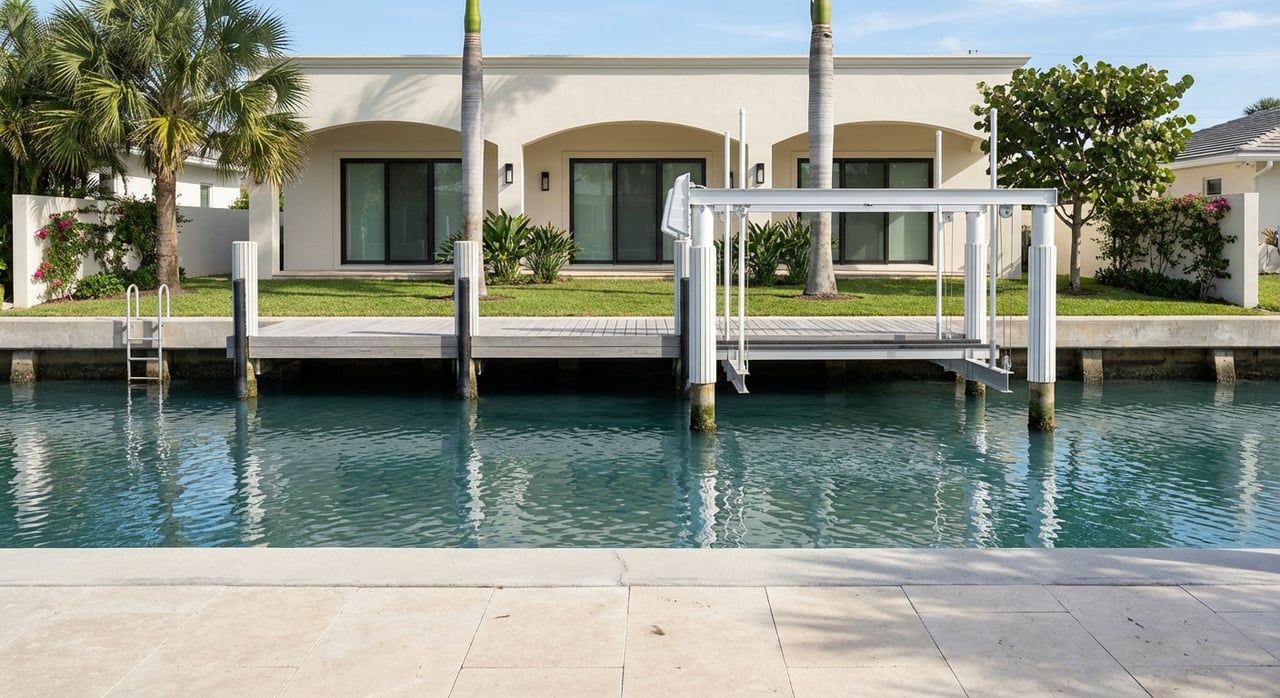
Adding or replacing docks, lifts, or seawalls often requires city or county permits, and in-water work can trigger state and federal reviews. In Lee County, the Army Corps’ Jacksonville District handles Section 10 and 404 jurisdiction for many waterfront projects, often alongside state aquatic-preserve conditions that protect seagrass and mangroves. Start early to plan for permit timing, inspections, and any mitigation. See the USACE Florida Regulatory overview.
When you tour a property, ask for recent dock and seawall inspections, permits, and repair records. Seawall failures can be costly. Document the age of the wall, tie-back status, cap condition, and whether any prior work meets current standards.
Stewardship, speed zones and safety
Seagrass and aquatic preserves
Seagrass beds around Pine Island Sound are protected, and damage can carry fines or mitigation requirements. Many inshore areas are not suitable for deep-keel vessels, and dock footprints are limited in sensitive zones. Review boating guidance for protected waters via the Pine Island Sound Aquatic Preserve.
Manatee zones and seasonal rules
Florida’s manatee protection zones and seasonal speed restrictions apply through much of Lee County. Always follow posted signs and seasonal rules to protect wildlife and avoid fines. For official updates and resources, visit the Florida Fish and Wildlife Conservation Commission.
Flood zones and insurance
Recent FEMA flood-map updates in Lee County changed some coastal flood zones and standards for construction, which can affect permits and insurance pricing. Before you make an offer, check the current flood map panel for the property and ask a licensed insurer for a site-specific quote. Review the county’s summary of recent map changes at Lee County Flood Map Changes.
Flood coverage is available through the National Flood Insurance Program and private markets. Policies have coverage limits and exclusions for outside structures like docks and seawalls. Some carriers require elevation certificates, and waiting periods can apply. Get quotes early so there are no surprises during underwriting and closing.
Buyer checklist for waterfront success
- Confirm the water path. Trace the exact route from the dock to open water and list every fixed bridge and shallow sill. Cross-check official charts and current bridge data as a starting point with Marinas.com’s Sanibel Causeway reference, then verify with local authorities.
- Inspect docks and seawalls. Order inspections, request repair records, and confirm materials and tie-back condition. Reference permitting norms through the USACE Florida Regulatory page.
- Pull permits and encumbrances. Check the city or county permit history and ask about riparian easements or shared-dock agreements. Know which agencies must approve future work.
- Get flood and insurance quotes. Confirm the flood zone, ask for NFIP and private quotes, and discuss elevation certificates. Start with the county’s overview of flood map changes.
- Plan marina options. If your boat will not fit at home, check slip availability, transfer rules, and costs at nearby marinas. For a lifestyle example, explore Cape Harbour.
- Respect environmental limits. If a proposed dock or lift touches seagrass, mangroves, or preserve boundaries, permits may be conditioned or denied. Learn the context from the Pine Island Sound Aquatic Preserve.
- Know peak-season rhythms. Winter brings more visitors, rentals, and charter traffic. Review county ramp resources at the Lee County ramps page and talk with local marinas about no-wake zones and busy times.
Make the most of Lee County life
Waterfront living in Lee County can be as active or as laid-back as you want. Whether you picture canal sunsets in Cape Coral, riverfront walks downtown, or quiet mornings in Matlacha before a quick run to the islands, the right property makes it easy to get on the water. If you want hands-on guidance from a local, bilingual broker who knows docks, permits, and the details that protect your investment, connect with Julieta Bruni. Schedule a Free Consultation with Julie and start planning your waterfront move.
FAQs
What types of waterfront properties can you buy in Lee County?
- You will see canal-front single-family homes with docks and lifts, marina-front condos with managed slips, Gulf-access lots that may need seawall or dock work, and inland condos or lakeside units with no boat access.
How do Cape Coral’s saltwater and freshwater canals differ for boaters?
- Saltwater canals connect to bays and Gulf routes, while freshwater canals are primarily interior systems better suited to smaller craft and paddlesports. Cape Coral features about 150 miles of saltwater and more than 250 miles of freshwater canals, according to the city.
What permits are needed to build or replace a dock or seawall?
- Most projects require city or county permits and, when in or over navigable waters, can trigger state and federal reviews. The Army Corps’ Jacksonville District oversees in-water work under Section 10 and 404. Start at the USACE Florida Regulatory page and confirm local requirements.
How do manatee zones and speed limits affect boating in Lee County?
- Manatee protection zones and seasonal speed rules apply in many waterways. Always follow posted signs to protect wildlife and avoid fines. See updates from the Florida Fish and Wildlife Conservation Commission.
How do recent flood-map changes impact waterfront buyers in Lee County?
- Updated FEMA maps can change a property’s flood zone, construction requirements, and insurance pricing. Check your property’s current panel and get quotes early. Lee County publishes a summary of recent map changes.
Where can you launch a boat if your home has no dock?
- Lee County maintains multiple public boat ramps across the area, including Matlacha, Punta Rassa, and Imperial River. Review locations, hours, and parking details on the county ramps and parking page.