Are you dreaming about winters filled with sunshine, or are you wondering what daily life in Lee County really feels like once the vacation crowds shift? That is an important question, because Lee County works well for both seasonal residents and full-time homeowners, but the experience can feel very different depending on the time of year and where you live. If you are weighing a second home, a permanent move, or a lifestyle change within Southwest Florida, this guide will help you understand the rhythm of Lee County and what may fit you best. Let’s dive in.
Why Lee County Supports Both Lifestyles
Lee County is not just a vacation market. It is a large and growing community with an estimated 875,607 residents as of July 2025, along with 479,540 housing units, according to the U.S. Census Bureau. The county also has a 74.3% owner-occupied housing rate, which shows a strong base of full-time homeowners.
At the same time, seasonal living is a major part of the local picture. Lee County planning staff report that snowbird season usually runs from October or November through April or May, and peak periods can push the county population to nearly 1 million. County estimates also suggest that about 23% of homes are used primarily for occasional, recreational, or seasonal use.
That combination is what makes Lee County unique. You are looking at a place that supports year-round life, while also offering the flexibility and appeal that draw seasonal owners back every winter.
What Seasons Feel Like in Lee County
Before you choose seasonal or full-time living, it helps to understand how the calendar shapes daily life. In Lee County, weather, tourism, and local activity all shift through the year.
Winter Brings the Biggest Surge
Winter is the busiest and most popular time in Lee County. NOAA seasonal normals for Fort Myers show average winter temperatures of 76.8 for highs and 56.1 for lows, which helps explain why so many part-time residents and visitors come during these months.
The county’s visitor tracking report for January through March 2026 recorded 1,004,200 visitors, 1,715,700 room nights, and $1.89 billion in total economic impact. The same report noted that 78% of visitors were repeat visitors, and some listed part-time resident or snowbird and checking in on my property as reasons for visiting.
If you enjoy a lively atmosphere, winter can feel exciting and social. Beaches, restaurants, events, and public spaces tend to be at their busiest, especially in coastal areas.
Spring Stays Active and Comfortable
Spring still feels very active in Lee County. Average spring temperatures in Fort Myers are 85.3 for highs and 64.3 for lows, which keeps outdoor time comfortable for many residents.
This is also a strong season for local events. Visit Fort Myers highlights festivals and art-focused events such as ArtFest Fort Myers, the Cape Coral Art Festival, the Bonita Springs National Art Festival, and the Sanibel Shell Show & Festival. For many seasonal residents, spring marks the end of their longest stay before heading north or reducing their time in Florida.
Summer Feels Hotter, Wetter, and Quieter
Summer in Lee County is a different experience. NOAA data shows average summer temperatures of 91.4 for highs and 74.5 for lows, along with 29.47 inches of precipitation from June through August. That is a major jump from the 6.11 inches recorded in winter.
Even so, summer is not empty. Local tourism promotion still features live outdoor music, sea turtle nesting season, indoor attractions, and family-friendly things to do. The pace is simply quieter than winter, which many full-time residents see as a plus.
If you prefer shorter waits, a calmer feel, and a more everyday rhythm, summer may actually help you picture what year-round life looks like beyond peak season.
Fall Brings Transition and Storm Awareness
Autumn in Fort Myers averages 86.0 for highs and 68.5 for lows, so it still feels warm. It is also part of Atlantic hurricane season, which runs from June 1 through November 30.
For full-time residents, this is when storm preparation matters most. Year-round living in Lee County usually means getting comfortable with seasonal planning for weather, especially in late summer and fall.
How Different Areas Feel Year-Round
Where you live in Lee County can shape your experience just as much as when you live there. Some places naturally feel more seasonal, while others feel more rooted in daily routines.
Coastal Areas Feel More Seasonal
Fort Myers Beach, Sanibel, Pine Island, and parts of Cape Coral tend to feel more tied to the visitor and second-home cycle. Fort Myers Beach is known for resorts, restaurants, events, and active beachfront energy. Sanibel is described as an intimate island with no stoplights and a strong nature and shelling identity.
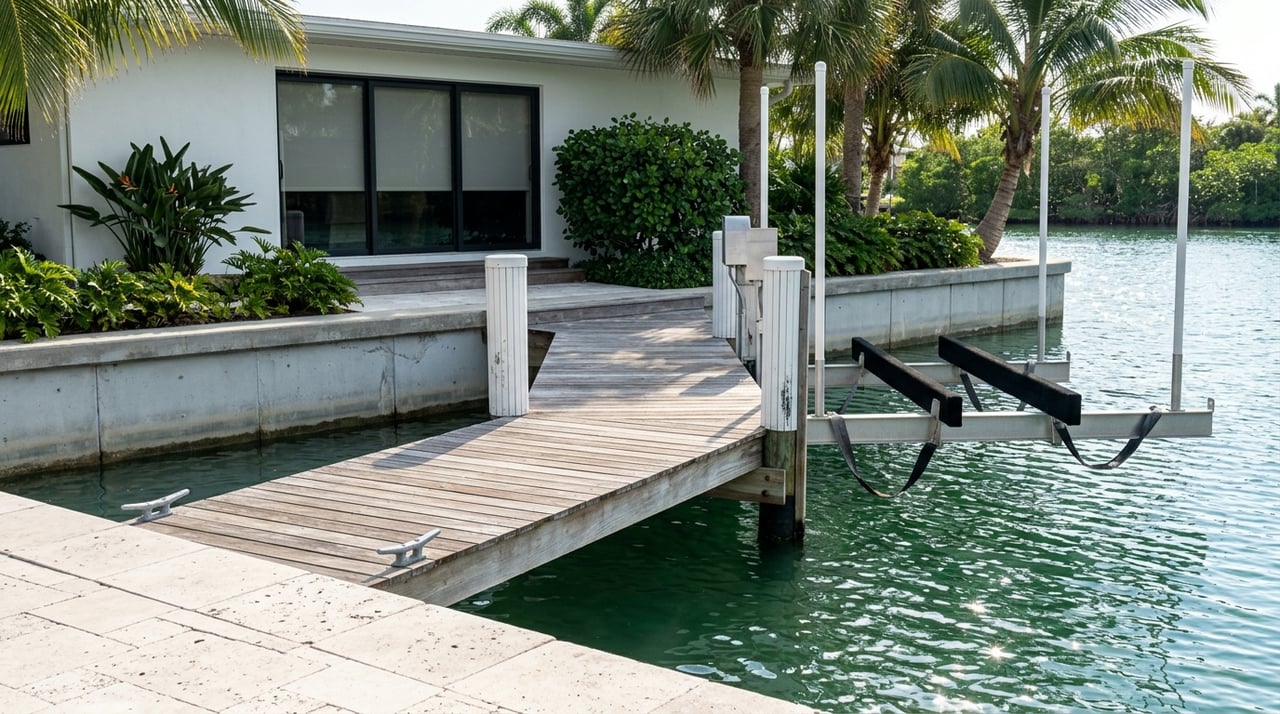
Pine Island offers a quieter, water-focused and agriculture-centered setting. Cape Coral is known for its canals, boating lifestyle, and vacation-home rental presence. If you picture winter sunshine, waterfront time, and a lifestyle that leans recreational, these areas often match that goal.
Fort Myers Feels More Year-Round
Fort Myers tends to offer one of the strongest year-round lifestyles in the county. The city includes a historic downtown, the River District, museums, theaters, and recurring art and music events.
It also offers access to outdoor spaces like Six Mile Cypress Slough Preserve and Bunche Beach Preserve. If you want a place with everyday infrastructure and a more consistent local rhythm through the year, Fort Myers often stands out.
Bonita Springs and Estero Sit in the Middle
Bonita Springs and Estero often appeal to people who want a blend of seasonal energy and practical year-round convenience. These communities are described as small-town at heart, while also offering shopping, restaurants, parks, event venues, and recreational options.
That balance can work well if you are not looking for a resort setting, but you still want access to activities and amenities through every season.
Inland and Rural Areas Feel Quieter
North Fort Myers offers a town-and-country mix. Alva, Buckingham, and Lehigh Acres are described as quieter rural communities with farm stands, riverside parks, and open-space recreation.
For some buyers, that quieter setting feels more like everyday living than seasonal turnover. If you value space, a slower pace, or land opportunities, these parts of Lee County may deserve a closer look.
Which Lifestyle May Fit You Best
There is no one right answer in Lee County. The better choice depends on your routine, your priorities, and how you want your home to work for you.
Seasonal Living May Fit You If
- You want to spend the busiest months in Southwest Florida
- You enjoy winter events, dining, beaches, and a more social atmosphere
- You prefer to avoid the hottest and wettest part of the year
- You are considering a second home that supports part-time use
Seasonal living often works best when you want sunshine and activity without committing to the full annual cycle. It can also be a smart way to test an area before making a permanent move.
Year-Round Living May Fit You If
- You want to build a full-time routine in Southwest Florida
- You like the idea of enjoying Lee County in every season, not just peak months
- You are comfortable planning for summer heat, rain, and storm season
- You want broader flexibility in where you live, including urban, suburban, or rural settings
Full-time living can give you a deeper connection to the area. You experience the popular season, but you also get the quieter months that many locals appreciate.
Is Lee County Empty in Summer?
No, and that is one of the biggest misconceptions about the area. Summer is quieter than winter, but it is still active.
Tourism promotion for summer continues to highlight outdoor music, wildlife experiences, indoor attractions, and family outings. The difference is not that Lee County shuts down. The difference is that daily life tends to feel less crowded and less seasonal.
For many buyers, that matters. If you are considering a full-time move, visiting in both winter and summer can give you a more honest view of the lifestyle.
What to Think About Before You Buy
If you are deciding between seasonal and year-round living, focus on how you actually want to spend your time. A beautiful location is important, but your day-to-day comfort matters just as much.
Here are a few smart questions to ask yourself:
- Do you want energy and activity, or a steadier routine?
- Would you rather be near beaches and visitor hubs, or closer to daily services and local routines?
- Are you looking for a condo, single-family home, or possibly land for a future build?
- Will you use the property part-time, full-time, or as part of an investment plan?
These answers can help narrow not only the right area, but also the right property type for your goals.
Why Local Guidance Matters
In a market like Lee County, lifestyle and location go hand in hand. A home that feels perfect for winter visits may not feel the same for year-round living, and a quiet inland property may fit one buyer better than a coastal condo with more seasonal movement.
That is why local guidance is so valuable. When you work with a broker who understands both the lifestyle side and the practical side of Southwest Florida real estate, you can make a more confident decision that matches how you want to live.
Whether you are searching for a seasonal retreat, a full-time home, or even land for a future plan, the goal is the same: finding the right fit for your version of life in Lee County.
If you are thinking about buying, selling, or exploring your options in Lee County, Julieta Bruni can help you compare communities, property types, and lifestyle goals with personalized, bilingual guidance.
FAQs
Is Lee County, Florida better for seasonal or year-round living?
- Lee County works for both. Coastal and island areas often feel more seasonal, while Fort Myers, Cape Coral, Estero, North Fort Myers, and inland communities often support a stronger year-round routine.
When is snowbird season in Lee County, Florida?
- Lee County planning staff say snowbird season typically runs from October or November through April or May, with winter and early spring bringing the biggest surge in visitors and part-time residents.
Does Lee County, Florida get quiet in summer?
- Summer is quieter than winter, but it is not empty. Local tourism still promotes concerts, wildlife experiences, indoor attractions, and seasonal outdoor activities.
What is summer weather like in Lee County, Florida?
- NOAA seasonal normals for Fort Myers show average summer temperatures of 91.4 for highs and 74.5 for lows, and summer is much wetter than winter, with 29.47 inches of precipitation from June through August.
Which Lee County areas feel most seasonal?
- Fort Myers Beach, Sanibel, Pine Island, and parts of Cape Coral tend to feel the most seasonal or vacation-oriented based on their visitor activity, waterfront appeal, and second-home presence.
Which Lee County areas feel more year-round?
- Fort Myers often feels more year-round because of its downtown, museums, theaters, parks, and everyday infrastructure. Bonita Springs, Estero, North Fort Myers, and some inland communities also tend to support a steadier full-time lifestyle.