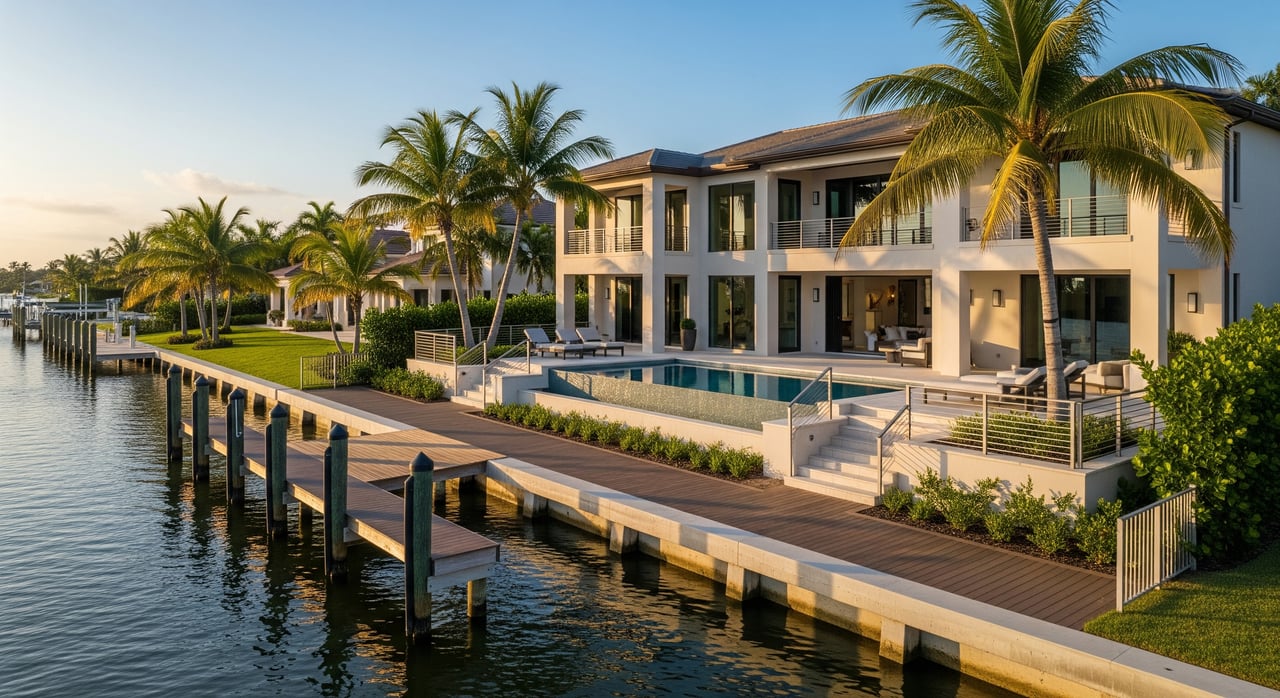
Trying to decide between a Naples condo and a single-family home? You want sunshine, low stress, and a smart investment, but the true costs and risks can be hard to compare. In this guide, you’ll learn how to stack up total cost of ownership, insurance, maintenance, rental rules, and lifestyle fit across Collier County. You’ll also get a simple worksheet and a pre-tour checklist you can use right away. Let’s dive in.
How to compare total cost
Start with a full picture of total cost of ownership. Look beyond the purchase price to include property taxes, HOA dues, insurance, utilities, and ongoing maintenance.
Property taxes in Collier County are based on assessed value, and you may qualify for Florida’s homestead exemption if it is your primary residence. Compare recent sales in the same community, and confirm millage rates and any exemptions you can claim.
Two homes with the same list price can carry very different monthly costs once HOA dues, insurance, and utilities are added. Build a side-by-side with all monthly and annual numbers before you tour.
HOA dues and reserves
Condo dues usually fund exterior building insurance, roof and structure for many buildings, common-area upkeep, landscaping, pools, and sometimes basic cable or internet. Single-family HOA dues, when they exist, tend to be lower and focus on shared amenities like gated entry or a community pool.
Ask for the current budget and reserve study. Strong reserves lower the chance of a special assessment for big projects like roofs or balconies. Review meeting minutes and assessment history so you know what might be coming.
Maintenance and time tradeoffs
Condos reduce hands-on work. The association handles most exterior care, painting, roofing, landscaping, and common areas. This can be ideal if you plan to travel or spend part of the year away.
Single-family homes give you freedom and privacy, but you take on all exterior and yard care, pool and irrigation, roof and driveway, and contractor coordination. Expect higher ongoing time and cash flow for upkeep.
Over many years, houses often require larger capital projects. Condos can still hit you with big one-time assessments if reserves fall short, so review documents closely.
Insurance and storm risk
Naples is hurricane-exposed, so policies commonly include a separate hurricane or wind deductible. This is often a percentage of the insured amount, which can be a large out-of-pocket after a storm.
Condo owners carry an HO-6 policy for interior finishes, contents, and liability, while the association provides a master policy for the building. Confirm what the master policy covers and whether any hurricane deductible could be shared among unit owners.
Single-family owners typically carry an HO-3 policy that covers the structure and contents. Ask about mitigation credits for impact glass, shutters, and roof design, which may lower premiums.
Flood zones and coverage
Many areas in Collier County have flood exposure. If a property sits in a Special Flood Hazard Area, lenders will require flood insurance. Elevation matters, and an elevation certificate can affect your premium.
Some condo associations carry a master flood policy for the building. If not, you may need your own flood coverage for contents and interior improvements. Always confirm flood zone, prior water intrusion, and any storm history before you offer.
Financing differences to know
Lenders underwrite condos differently than single-family homes. A condo project’s eligibility, owner-occupancy ratios, litigation, reserve strength, and dues delinquencies can affect your loan options and required down payment.
After recent building safety events and updated regulations, some Florida condo projects face added scrutiny. Start the lending conversation early and verify project requirements with your lender before you submit an offer.
Rental flexibility rules
Rental rules vary widely by community in Collier County and within the City of Naples. Many condo associations limit short-term rentals, set minimum lease lengths, or cap how many units can be leased at once.
Single-family homes can also face restrictions if they are in an HOA. On top of HOA rules, you may need to meet municipal and county licensing, tax, and safety requirements. If rental income matters to you, get the rules in writing and confirm local registration steps before you buy.
Lifestyle fit in Naples
Condos offer easy living with amenities like pools, fitness rooms, security, and social spaces. They are convenient for lock-and-leave travel and often mean lower day-to-day maintenance.
Single-family homes offer more privacy, yard space, and flexibility for renovations and outdoor living. If you value a private garage, room for hobbies, or a fenced yard, a house may fit better.
Think about how you plan to use the property seasonally, how often you travel, and how much maintenance you want to manage. Match the property type to your daily rhythm and long-term plans.
Resale and exit plan
Condos in popular, well-run buildings with strong amenities can resell quickly, but high dues, litigation, or weak reserves can slow demand. Ask about historical turnover and days on market for the building.
Single-family homes usually appeal to a broader buyer pool, but higher price points can narrow the field. Focus on condition, location, and flexibility of use to support future resale.
Pre-tour checklist
Use this list while scheduling showings and asking questions:
- Community and HOA
- What do dues include, and what do they exclude?
- Current budget, reserve study, last 12 months of minutes, and any pending assessments
- Any ongoing or pending litigation
- Rental policy, caps, and current percentage of leased units
- Property condition and history
- Age and last replacement dates for roof, HVAC, plumbing, windows
- Any prior water intrusion, mold remediation, or termite treatment
- For waterfront or low-lying areas, any storm or flood history
- Insurance and costs
- Master insurance declarations for condos and scope of coverage
- Hurricane deductible details and how they may be allocated
- Current property tax amount and whether homestead is in place
- Practical items
- Parking assignments, guest policies, and potential valet or storage fees
- Pet rules and renovation approval steps
- Short-term rental registration or licensing requirements, if allowed
- Financing
- Any condo project approval requirements for your loan type
Build your TCO worksheet
Create a side-by-side comparison for each property you like. Include:
- Monthly mortgage payment (principal and interest)
- Estimated property tax per month, factoring any homestead benefits
- HOA or condo dues
- Utilities: electricity, water, sewer, trash, cable or internet
- Insurance premiums
- Condo: HO-6 policy and any master-policy gaps you must cover
- Single-family: HO-3 policy, plus wind or hurricane and flood premiums
- Average monthly maintenance reserve
- Single-family: set aside for roof, HVAC, exterior paint, landscaping
- Condo: factor association dues and potential special assessments
- Miscellaneous: pest control, irrigation, parking or amenity fees
Add up the total monthly and annual cost. This apples-to-apples view will clarify which option truly fits your budget and lifestyle.
Smart next steps
- Get preliminary insurance quotes for both wind and flood before you offer.
- Ask for the HOA’s financials, reserve study, insurance declarations, and recent minutes.
- Verify flood zone and request an elevation certificate when available.
- Confirm rental rules with the HOA and the local municipality.
- Engage your lender early to confirm condo project requirements.
- Plan inspections that fit Florida risks, and request recent engineering reports for condos when available.
If you want a clear side-by-side and hands-on help touring the right communities, let a local advisor guide you. Schedule a Free Consultation with Julie by reaching out to Julieta Bruni. Hablamos español.
FAQs
What costs differ most between Naples condos and houses?
- Expect higher HOA dues for condos but lower direct exterior maintenance, while houses often carry higher insurance, yard care, and capital repair costs.
How do condo reserves affect my risk as a buyer?
- Strong reserves lower special assessment risk, so review the reserve study, budgets, and meeting minutes to see whether big projects are funded.
Do I need flood insurance for a condo in Collier County?
- If the building is in a Special Flood Hazard Area and there is no master flood policy, your lender will likely require flood coverage for your unit’s contents and finishes.
Are short-term rentals allowed in Naples condos?
- Many buildings limit short-term rentals or set minimum lease lengths, so get the rules in writing and confirm local licensing and registration steps.
How do hurricane deductibles work in Naples?
- Policies often include a percentage-based hurricane deductible that applies after a named storm, and condo master policy deductibles may be allocated to unit owners.
Is financing a Naples condo harder than a house?
- Lenders review condo project eligibility, reserves, litigation, and occupancy ratios, so start early to confirm your loan options for the specific building.